U.S. Coins from 1960s That Matter for Every Collector
The 1960s stand apart in U.S. numismatics. Few decades combine metal history, design change, and variety depth so tightly. In less than ten years, the United States ended circulating 90% silver, experimented with reduced-silver alloys, and quietly produced some of the most studied modern varieties.
For collectors today, this period offers clarity: dates are easy to remember, diagnostics are well documented, and entry costs like the 1967 quarter value remain reasonable compared with earlier eras.
Three forces shape the importance of 1960s coins:
- Metal transition that changed how Americans saved and spent coins
- Short-lived compositions that created finite silver supplies
- Varieties and errors that still reward careful searching
Together, these factors make the decade essential for both collectors and silver-focused buyers.
1964: The Final Year of 90% Silver
1964 is the date nearly every collector memorizes first. Any U.S. dime, quarter, or half dollar dated 1964 or earlier contains 90% silver. After that year, silver disappeared from most circulating coinage.
The standout issue is the 1964 Kennedy half dollar. It carries historical weight as the first year of the design and practical appeal as the only circulation Kennedy struck in full 90% silver. Each example contains about 0.3617 troy ounces of silver, and values closely track bullion prices unless condition pushes the coin into higher uncirculated grades.
Other 1964 silver issues matter for similar reasons:
- Roosevelt dimes and Washington quarters for bullion stacking
- Mint-state rolls for type collectors
- Proof coins for set builders
Even worn examples retain intrinsic value due to silver content, which explains why these coins rarely linger in circulation today.
1965–1969: The 40% Silver Experiment
Rising silver prices forced a compromise. Starting in 1965, the Mint reduced Kennedy half dollars to 40% silver, a layered composition that lasted through 1970. No dimes or quarters carried silver during this period, they usually show low costs in the coin identifier app. It makes half dollars the only circulating silver coins of the late 1960s.
These coins contain roughly 0.1479 troy ounces of silver each. Circulated pieces trade mainly on melt value, but several collecting angles remain active:
- Brilliant uncirculated rolls
- Original mint sets from the late 1960s
- Well-preserved examples with sharp strikes
This brief transition created a defined subgroup within the Kennedy series and a practical entry point for collectors who want silver without the higher cost of earlier issues.
Why This Matters Today
The 1960s compressed major U.S. monetary change into a short timeline. Silver ended. Clad coinage began. Collectors gained a decade that is easy to study, affordable to build, and rich in detail. For many, it became the foundation of a focused modern U.S. collection before moving backward into earlier silver eras or deeper into varieties and errors.
Key Varieties and Error Coins That Define the Decade
Beyond silver content, the 1960s gained lasting relevance through varieties that reshaped modern Lincoln cent collecting. These coins proved that rarity did not end with the 19th century. Subtle design changes, hub modifications, and minting mistakes created pieces that still command strong premiums when checked in the coin worth app.
1960 Lincoln Cents: Small Date vs. Large Date
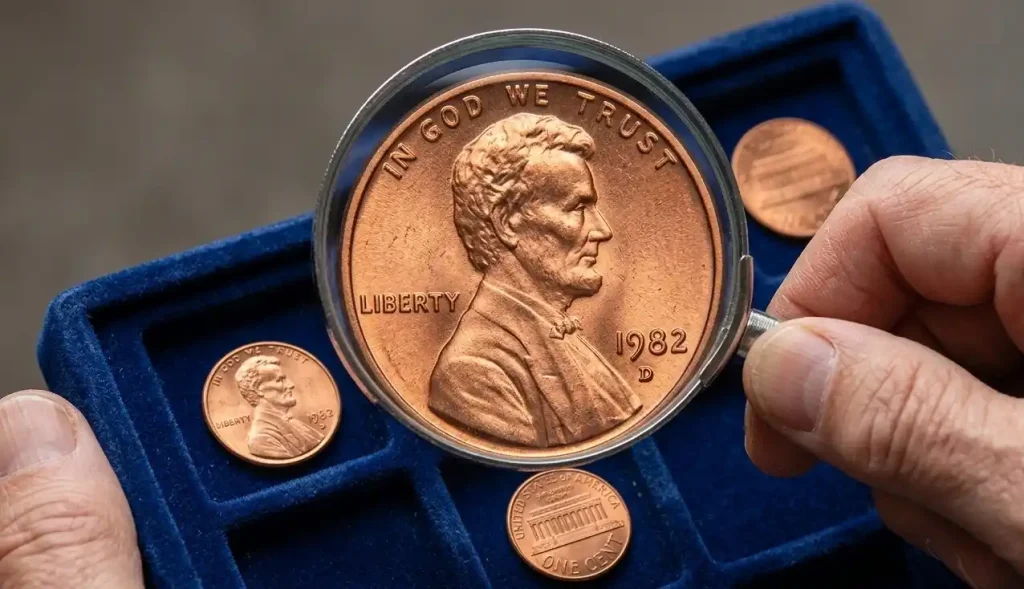
The year 1960 introduced two distinct date styles on Lincoln cents. At first glance, the difference looks minor. Under magnification, the spacing and shape of the numerals clearly separate the two.
- Large Date: wider spacing, softer numeral shapes
- Small Date: tighter spacing, sharper “9” and “0”
Both styles appear from Philadelphia and Denver, but the proof 1960 Small Date is the key issue. It represents roughly 12% of total 1960 proof cent production, making it a required coin for serious proof set collectors.
The 1960-D D Over D, Small Date Over Large Date
The most important cent variety of the decade is the 1960-D Small Date over Large Date, D over D. This coin combines two distinct minting anomalies:
- A Small Date hub impressed over a Large Date
- A repunched Denver mint mark
Despite a Denver mintage exceeding 1.5 billion cents, this variety is genuinely scarce. Certified examples trade at strong levels across all grades, proving that rarity comes from production history, not total output.
Doubled Dies and Repunched Mint Marks
The 1960s also produced a wide field of collectible Lincoln cent errors:
- Tripled-die obverse varieties with visible separation on the date and lettering
- Repunched mint marks (RPMs) common to early-1960s Denver issues
- Minor doubled dies that reward careful roll searching
Many of these varieties are listed and attributed by PCGS and independent researchers, turning old rolls and estate accumulations into legitimate hunting grounds.
1960s Coin Highlights at a Glance
| 1960s Highlight | Why It Matters | Typical Focus |
| 1964 silver coinage | Last 90% silver issues | Bullion and type sets |
| 1965–1969 Kennedy halves | Short-lived 40% silver alloy | Silver stacking |
| 1960 Small Date cents | Logotype variation | Proof and BU sets |
| 1960-D D/D SD over LD | Major modern cent variety | Certified examples |
| Lincoln cent errors | Documented DDO and RPM coins | Variety hunting |
This mix of metal change and variety depth explains why the 1960s remain one of the most actively studied decades in U.S. coin collecting.
Practical Strategies for Collecting 1960s U.S. Coins Today
Building a meaningful 1960s collection does not require rare-gold budgets or obscure references. This decade rewards methodical sorting, basic tools, and clear priorities. The key is separating silver value, variety potential, and condition-driven premiums early in the process.
Sorting Silver Issues Efficiently
For silver coins, speed matters more than expertise.
- Any dime, quarter, or half dollar dated 1964 or earlier equals 90% silver
- Only Kennedy half dollars from 1965–1969 contain 40% silver
- Edge color remains the fastest visual check
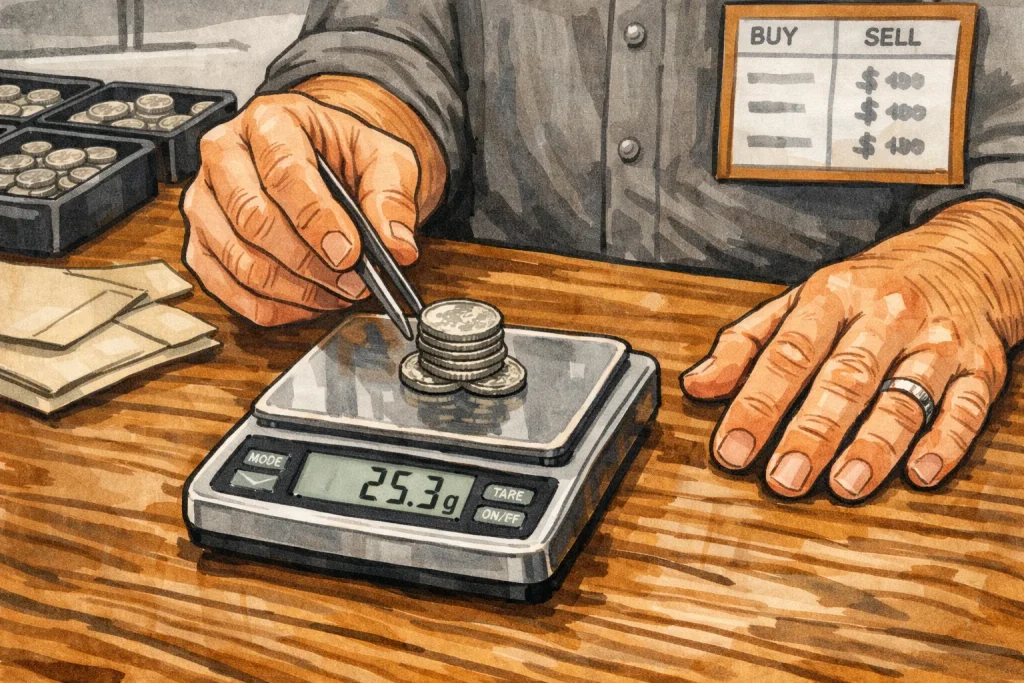
Circulated silver trades close to melt. Premiums appear only in higher grades, original rolls, or well-preserved mint-set coins. This makes silver from the 1960s ideal for stacking alongside type collecting.
Approaching 1960s Lincoln Cents Correctly
Cents from this decade demand patience and magnification. A 10× loupe and good lighting reveal most important diagnostics.
Focus areas include:
- Separating 1960 Small Date vs. Large Date
- Checking Denver cents for repunched mint marks
- Inspecting dates and lettering for doubled or tripled dies
Common cents carry no premium, but confirmed varieties justify certification. Buying already-attributed examples reduces risk for higher-end pieces like the 1960-D Small Date over Large Date.
Using Modern Tools to Stay Organized
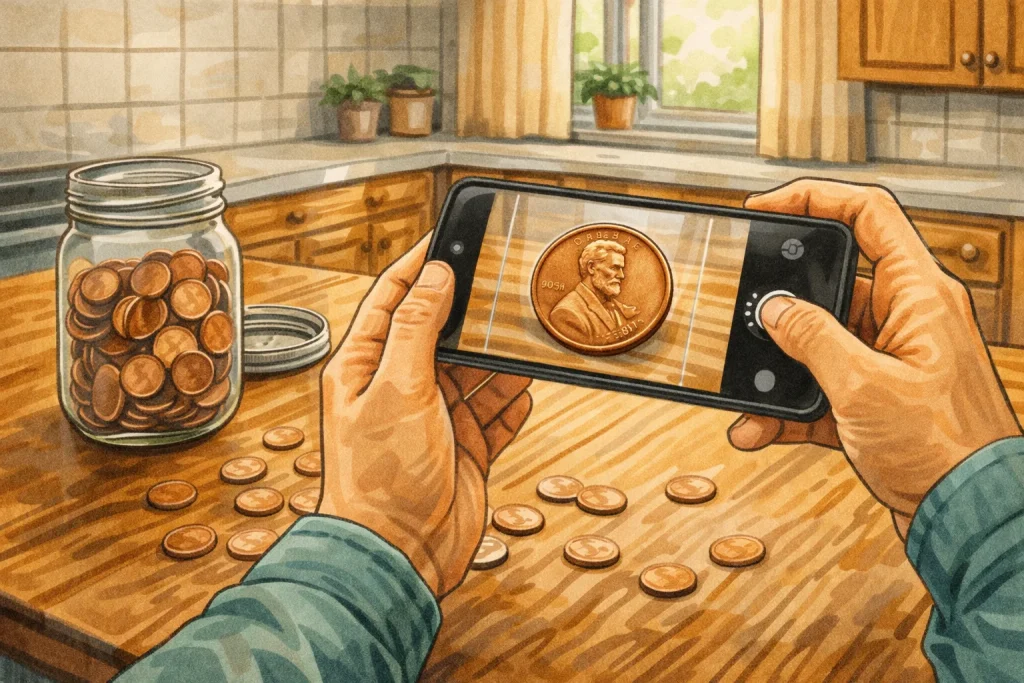
When working through inherited jars, estate lots, or mixed dealer trays, speed and accuracy matter. Tools like the Coin ID Scanner app help streamline identification. A single photo on Android or iOS returns a coin card showing year, minting details, composition, diameter, weight, and an indicative price range. This makes it easier to flag true silver issues and separate routine cents from potential varieties.
Once a focused set begins to take shape—such as 1964 silver types, 1965–1969 Kennedy halves, and key 1960 cent varieties—the app’s collection management tools help maintain a clean digital inventory. Smart filters and the AI Coin Helper in the paid tier assist with comparisons and research without slowing the process.
The 1960s offer clarity. Metal composition changes are easy to track. Major varieties are well documented. Entry costs remain reasonable. This decade delivers bullion value, numismatic depth, and educational insight in a compact span of years. For collectors building with purpose, few eras provide a stronger foundation.