How to Cherry Pick Coins at Auctions and Shows
The best finds rarely announce themselves — they blend in.
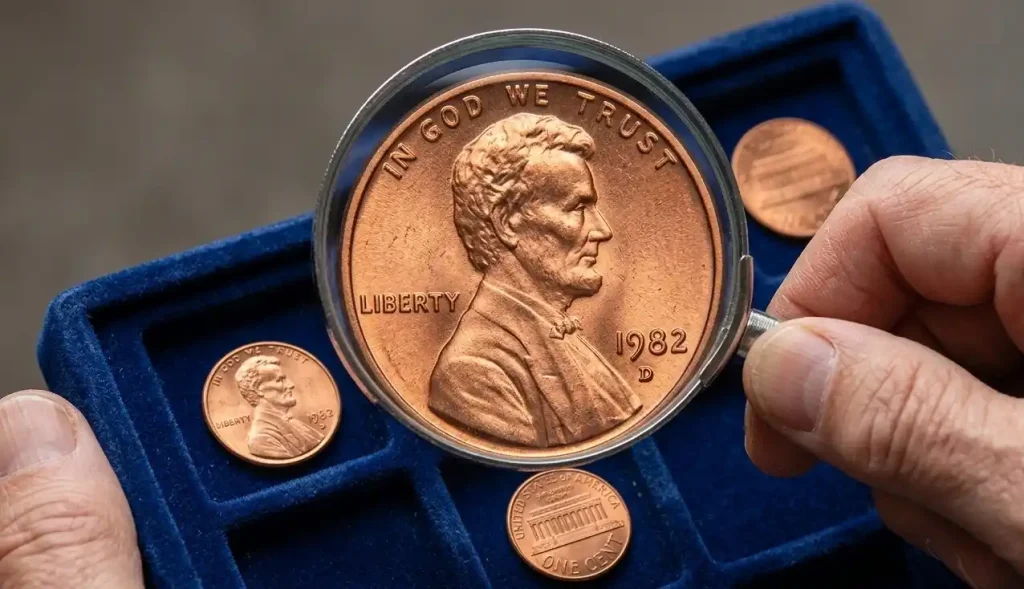
Successful identification of rare coin varieties requires a Cherry Picker guide and profound knowledge regarding die pairs and production defects.
| Coin Type | Mass | Metal Composition | Diameter |
| Morgan Dollar | 26.73 g | 90% Silver, 10% Copper | 38.10 mm |
| Lincoln Cent (pre-1982) | 3.11 g | 95% Copper, 5% Zinc | 19.05 mm |
| Jefferson Nickel | 5.00 g | 75% Copper, 25% Nickel | 21.21 mm |
| Washington Quarter (Silver) | 6.25 g | 90% Silver, 10% Copper | 24.26 mm |
Detecting Doubled Die Images
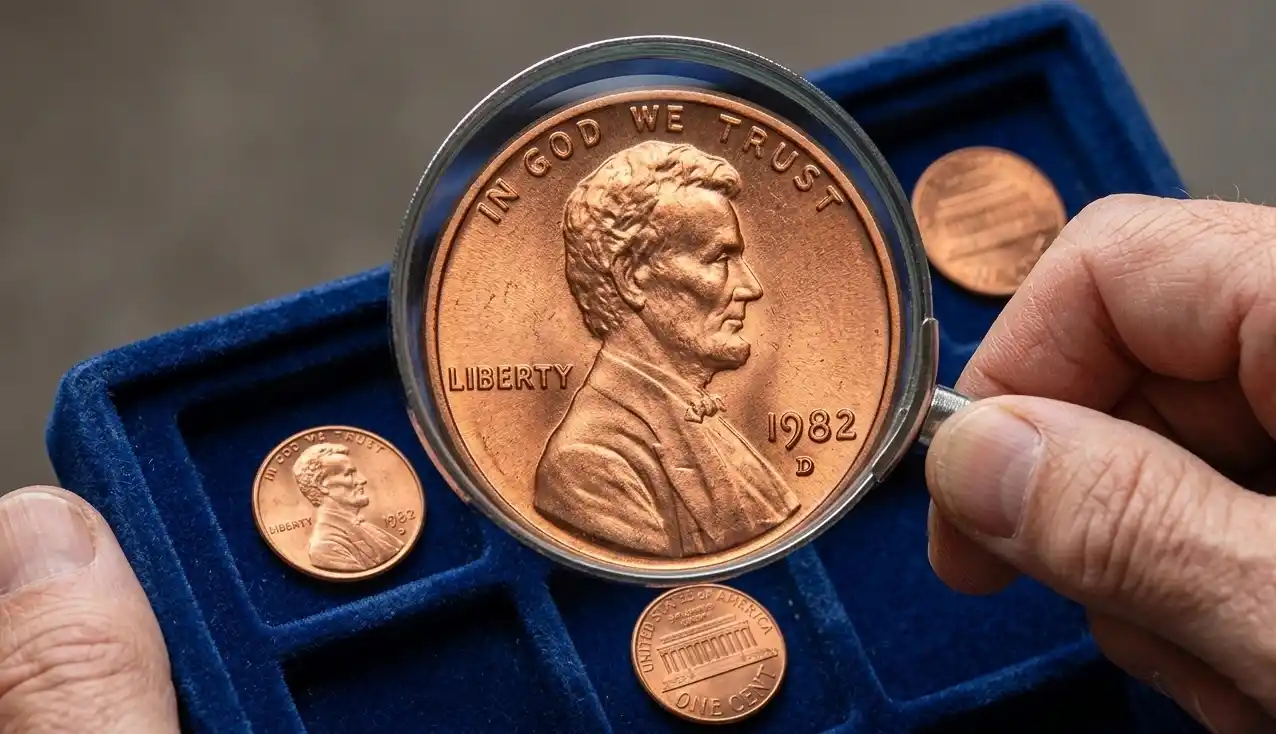
Manufacturing a die sometimes involves shifting the hub relative to the blank.
This shift results in clear duplication of design elements on the finished coin.
Studying letters in the motto and digits of the date helps identifying the most valuable versions.
Price Statistics for 1955 Doubled Die Obverse Lincoln Cent
- Condition MS-62 → $2,450
- Condition MS-65 → $14,800
- Condition MS-66 Red → $125,000 (2023 record)
Annual price growth for this type averages 6.5%.
Inflation in 2024-2025 increased demand for certified specimens with this defect by 12%.
Algorithm for Working at Live Shows
Direct contact with the material provides an advantage over online bidding.
- Preparing a lighting device having a color temperature of 5000K
- Using a coin value checker free
- Checking the edge for traces of filing or casting
- Comparing the mint mark placement with reference samples in a database
Missing mint marks on Proof coins from 1968-1990 indicate extremely rare minting errors.
Price of 1975 No S Proof Dime → $516,000.
Only two confirmed specimens of this coin exist.
Classification of VAM Die Varieties for Morgan Dollars
The VAM numbering system describes microscopic differences in dies used between 1878 and 1921.
Many dealers ignore small details, listing coins at the price of a standard silver dollar.
- VAM-1A (1878-S) featuring a damaged reverse die
- VAM-33A (1888-O) known as Scarface due to a die crack
- VAM-4 (1900-O) having an O mint mark punched over CC
| Condition (MS-64) | Type | 2026 Price |
| Regular Strike | Standard | $115 |
| VAM-15 (Hot 50) | Top 100 | $480 |
| VAM-1B (Clashed E) | Variety | $320 |
Having a die crack through Liberty’s face increases the lot value by 300%.
Surface Condition Analysis and Artificial Cleaning
Chemical exposure irreversibly damages the microscopic structure of the metal.
Evidence of cleaning reduces market value by 50-70% regardless of rarity.
- Unnatural mirror-like shine in fields accompanied by worn relief details
- Parallel scratches (hairlines) visible at an angle to the light
- Dark residue around letters with a perfectly clean center
Finding a coin in original toning remains a key factor for a successful deal.
Coins possessing vibrant multi-colored toning sell with a 200-500% premium at Heritage auctions.
Minting Errors on Modern 21st Century Coins
Production automation does not exclude the appearance of defects.
Checking change in banks or at stands with modern coins brings steady income.
Top 3 Modern Finds for Searching
- 2000-P “Mule” Dollar-Quarter → a hybrid of a 25-cent obverse and a gold-colored dollar reverse. Price: $192,000.
- 2004-D Wisconsin Quarter featuring an extra corn leaf. Price in MS-67: $4,500.
- 2023-P Extra Element on Bessie Coleman Quarter. Price: $50 – $150.
Probability of finding a Mule in general circulation is 1 in 250,000,000.
Price Dynamics for US Copper Coins (2016-2026)
Copper is prone to oxidation, making Red (RD) preservation exceptionally important.
Transitioning a coin from Red-Brown (RB) to Brown (BN) reduces its price by 3 times.
Percentage Change in Value Over 10 Years
- Indian Head Cent → +45%
- Wheat Cents in MS-67 → +82%
- 1943 Steel Cents in perfect condition → +15%
Decreasing numbers of high-quality copper coins on the market relates to improper storage in private collections.
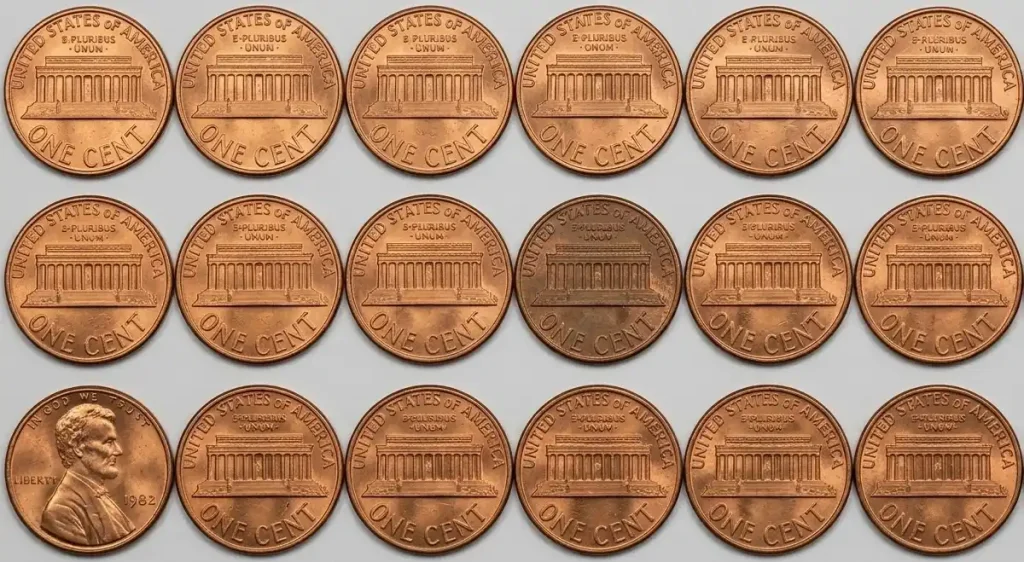
Auction Catalog Analysis and Pre-Auction Viewing
Studying high-resolution photographs allows noticing details before bidding starts.
Utilizing image overlay software helps detecting die doubling.
Factors Indicating a Potential “Cherry” in a Catalog
- Short lot description omitting the variety
- Poor lighting quality in photos hiding the mint mark
- Opening bid corresponding to the minimum grade
Analysis of Stack’s Bowers sales archives over the last 5 years confirms that 12% of rare varieties sell as common ones.
Off-Center and Broadstrike
Shifting a blank in the press creates a unique coin shape.
Value depends on the percentage of offset and date preservation.
- 5-10% Offset → price $15-$30
- 50% Offset with full date → price $150-$500
- Broadstrike (minting outside the collar) → price $50-$200
Lacking a date on a defective coin reduces its liquidity by 40%.
Professional Numismatist Toolkit
Equipment quality directly affects diagnostic accuracy.
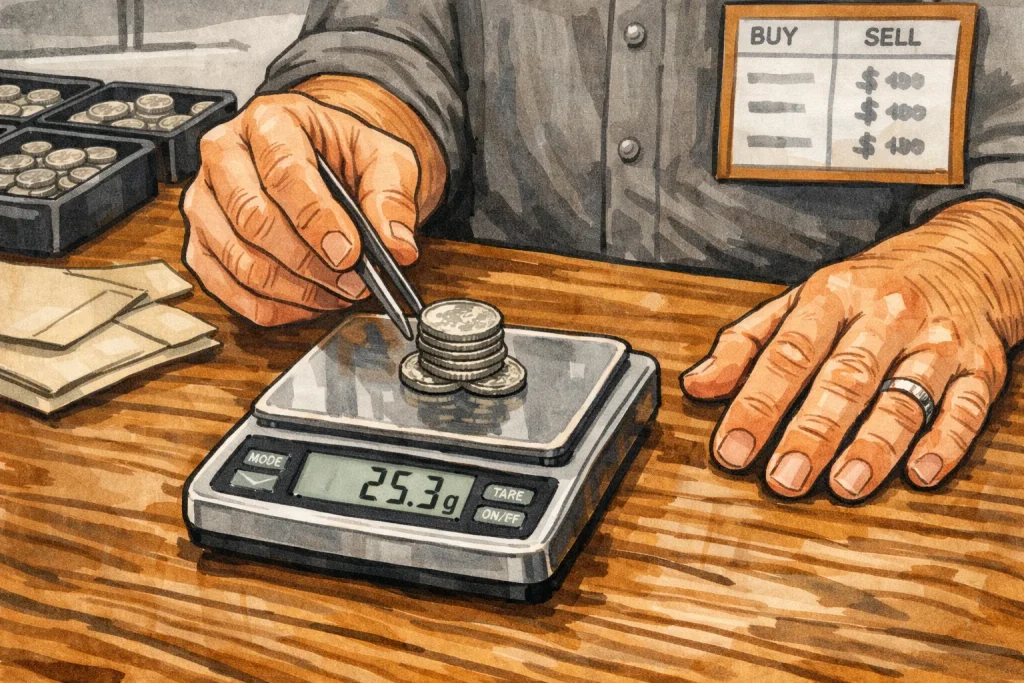
- Electronic scales with a 0.01-gram step
- Coin Checker app
- Calipers having nylon jaws
- Microscope with USB output for recording die features
- Ultraviolet flashlight for searching for glue traces on composite coins
Verifying a 1916-D Mercury Dime requires mandatory checking of the D letter shape under a microscope.
Counterfeits are often made by soldering the letter D to a regular 1916 dime.
Legal and Ethical Aspects of Transactions
Buying an undervalued coin from a professional dealer is considered a legal trade operation.
Responsibility for item attribution lies with the seller.
Returning a coin after opening the plastic holder is impossible in 99% of cases.
Transactions exceeding $10,000 in 2026 are subject to mandatory financial reporting in most jurisdictions.